
English| EUR
Suggested for you
More currencies
Choose a language
Shark Ray Alley is not a standalone attraction with its own turnstile — it is a zone of Hol Chan Marine Reserve, four miles south of San Pedro on Ambergris Caye. That structure is why two boats leaving the same dock can quote very different totals. This shark ray alley price guide separates the fixed reserve charge from everything an operator layers on top of it.
Quick answer
That charge is separate from what a boat operator bills for the trip itself, which is why quoted totals vary widely. The reserve runs 08:00–17:00 daily, and the conservation fee is collected once regardless of how many zones a boat visits.
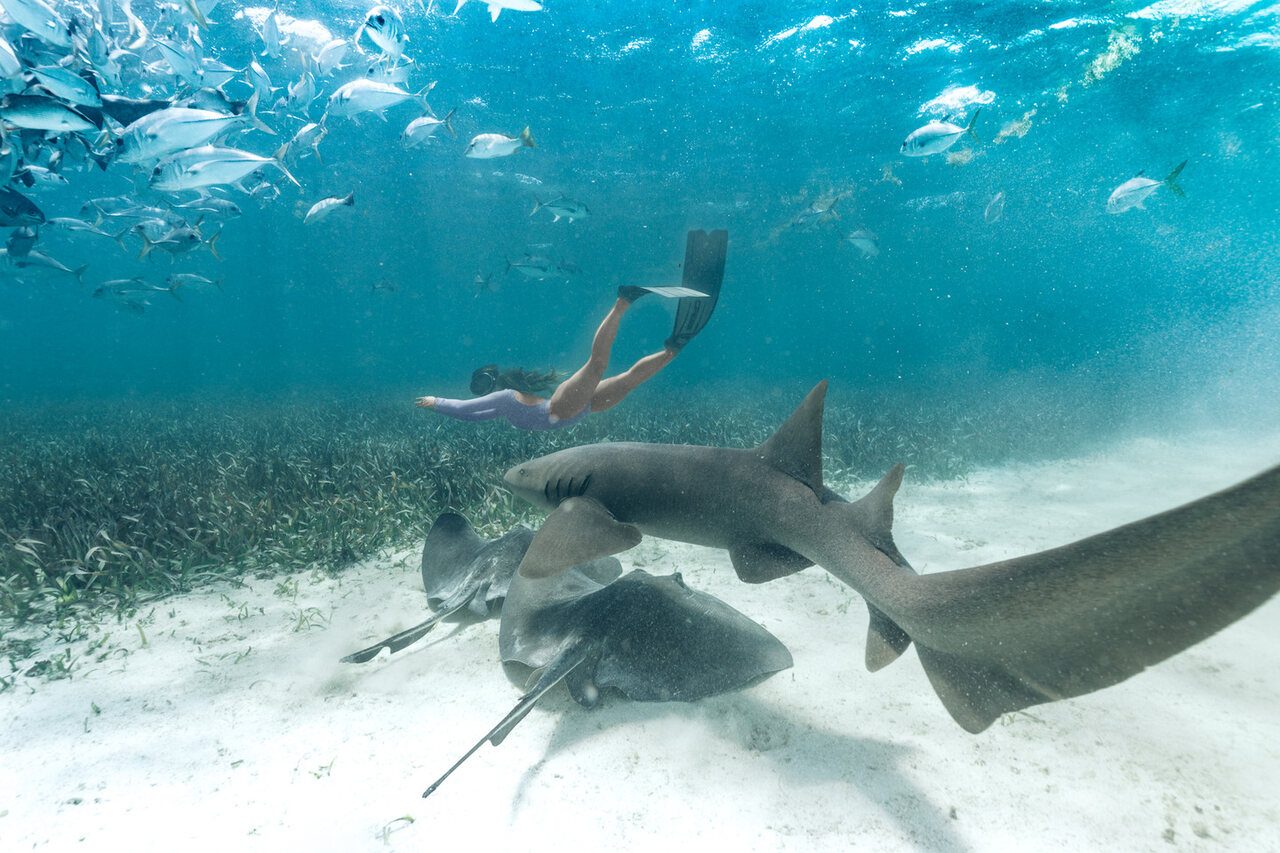
Shark Ray Alley did not begin as an attraction. For years, San Pedro fishermen anchored over the shallow sand cut to clean their catch, and nurse sharks and southern stingrays learned to gather beneath the hulls. The site was folded into Hol Chan Marine Reserve as Zone B in 1999, twelve years after Belize designated Hol Chan its first marine reserve. That history explains why a shark ray alley price is rarely a single number: visitors are paying a protected-area authority and a licensed boat operator at the same time, for two different services. The reserve charge is fixed, published, and identical for every visitor, whatever vessel they arrive on. It funds ranger patrols, mooring buoys and reef monitoring across the reserve's zones, from the Hol Chan Cut itself to the mangrove and seagrass channels further south. What varies is everything else. A Hol Chan Marine Reserve snorkel tour sold from a San Pedro dock, a half-day charter out of Caye Caulker, and a private boat arranged through a resort concierge may all anchor in the same shallow water and quote totals that differ by a factor of three. Group size, trip duration, the number of stops, gear rental and whether the conservation charge is bundled or collected separately account for most of that spread. Reading those quotes therefore means comparing like with like. Three questions settle most of the confusion: is the reserve fee included, how many zones does the itinerary cover, and how many snorkellers will share one guide in the water. The alley itself is shallow — a sand channel roughly three to five metres deep — and the nurse sharks that congregate there are visible from the surface, so an unhurried stop matters more than an elaborate one. Belize's barrier reef, a UNESCO World Heritage site since 1996, lies immediately east, and most itineraries pair the alley with a drift over the coral canyons of the main cut. The reserve's rangers check receipts on the water, so paperwork issued at the dock should be kept aboard. Season shapes the experience more than the paperwork does. Between June and November, afternoon squalls and stirred sediment can cut visibility sharply, which is why boats leave early and why the quieter zones fill first. A low shark ray alley price often reflects a larger group or a shorter stop rather than genuine value. Travellers weighing options across Ambergris Caye snorkel excursions are usually better served by asking what a boat does not include, then booking through the operator pages once the comparison is honest.
“Shark Ray Alley is not a gate you pay at; it is a protected zone you enter, and the two charges involved answer to different authorities.”
The best arrival window for Shark Ray Alley is 08:00–11:00. Morning hours offer calmer water conditions and better visibility before afternoon winds typically increase.
—
Ideal for avoiding tour boat congestion and achieving the clearest water visibility.
Dry season, 75–85°F
Consistent weather makes this the most reliable time for travel.
Warm and humid, 80–90°F
Expect potential afternoon rain showers during the wet season, making early arrivals essential.
Verdict: For the best experience, plan your visit for Tuesday to Thursday, arriving during the 08:00–11:00 window, ideally between the months of December and April.
Work through these steps in order, from booking weeks ahead to the final gear check before you board.
Everything you need to know about shark ray alley price